moving to country
From the City to the Country: The First Year on a Southern Idaho Homestead
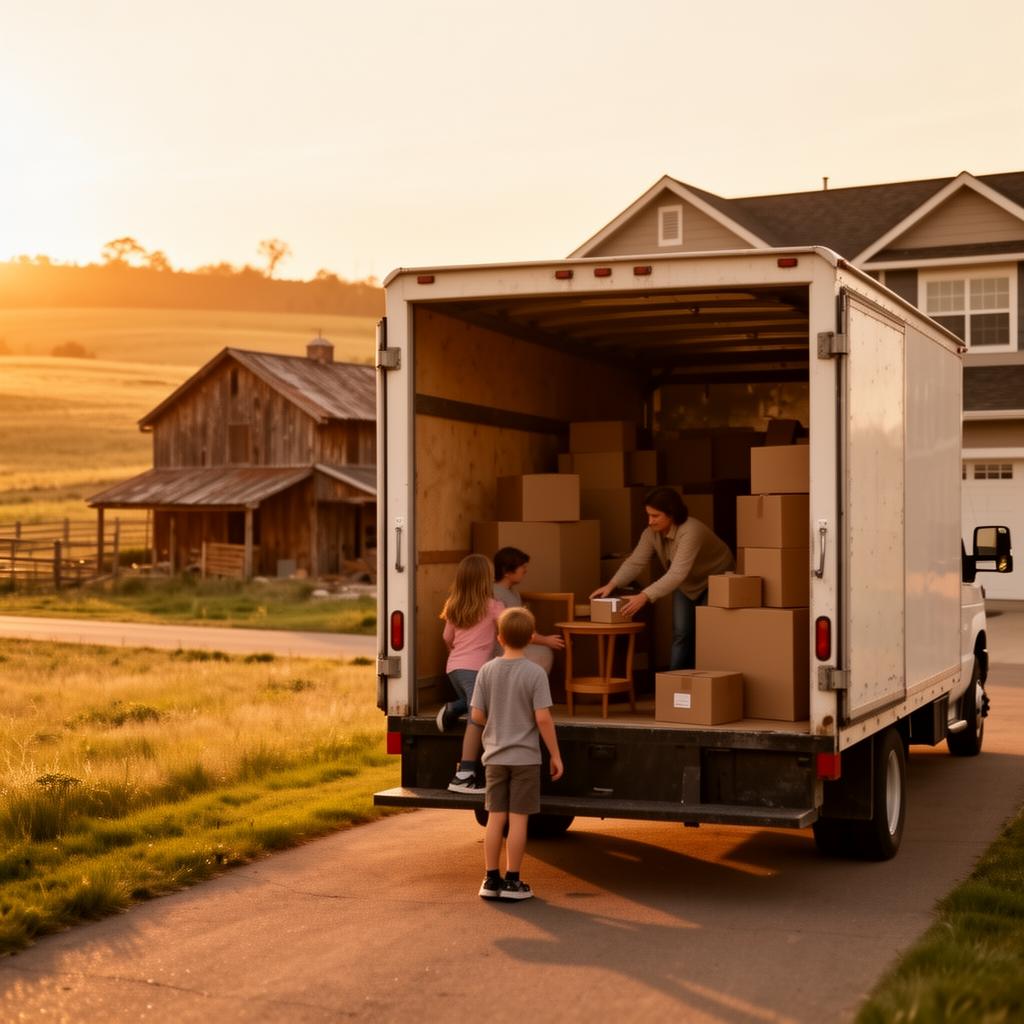
From the City to the Country: The First Year on a Southern Idaho Homestead
I want to tell you about the moment I realized country life was not what I had imagined.
It was 5:30 in the morning. Dark. About 18 degrees outside. I was standing in the chicken coop in my pajamas and barn boots, breaking ice out of the waterer for the third time that week, and a rooster named General Tso was screaming at me from approximately eight inches away.
I stood there for a second in the cold and the dark and the noise, and I thought: this is not the pastoral homestead Instagram vision.
And then I thought: I would not trade this for anything.
That is the first year on a Southern Idaho homestead. Both of those things are true simultaneously.
What Nobody Tells You Before You Move
Stop what you're doing if you think the hardest part of a city-to-country move is finding the right property. It is not.
The hardest part is the gap between what you imagined and what the daily reality actually requires.
You imagined the garden at peak summer, the basket of eggs, the horses in the corral at golden hour. You did not imagine the frozen waterer. The sick chicken at 11 PM. The fence post that needs resetting after the wind. The irrigation line that broke somewhere underground and you have to find it by following the wet patch across the yard.
None of that is bad. All of it is real. And all of it is manageable once you accept that country life is not a postcard — it is a practice.
The Learning Curve Is Steep and Worth It
In our first year on three acres in Southern Idaho, we learned more practical skills than in the previous decade combined.
We learned to read animal behavior — what a healthy chicken looks like versus an unwell one, what a horse's posture tells you about its mood, what the garden looks like when it needs water versus when it has had too much.
We learned to maintain equipment — the walk-behind tractor, the irrigation pump, the fence charger.
We learned the rhythms of the high desert seasons — when to plant, when to harvest, when to put things to bed for the winter and when to start planning for spring.
Here's the truth about that learning curve: it makes you more capable than you have ever been. Every problem you solve on a homestead is a skill you carry for the rest of your life.
What the Community Gave Us
We did not figure any of this out alone.
Magic Valley is an agricultural community at its core, and that means the knowledge base is here. Neighbors who have been doing this for 30 years and are genuinely willing to share what they know. Feed store employees who will spend 20 minutes with you diagnosing a chicken problem. A church community that shows up when you need an extra set of hands.
This is not available everywhere. It is one of the reasons Southern Idaho specifically — not just rural anywhere — works for families making this transition.
Would We Do It Again?
Every single day.
The first year is the hardest. The second year is when confidence starts to build. By the third year, the homestead runs with a rhythm that feels natural — not because it got easier, but because you got better.
If you are considering this move and you want to talk to someone who has actually lived it — and who can help you find the right property to start with — I am here.
Dr. Ron Jones | Rim & River Real Estate | rimandriver.com | 208-712-8386