food preservation
The Southern Idaho Garden Harvest: Putting Up Food for the Winter
The Southern Idaho Garden Harvest: Putting Up Food for the Winter
By September, our kitchen counter was disappearing under tomatoes.
Not a few tomatoes. Not a cute little harvest-basket quantity. Tomatoes in every container we owned, more coming in every day, the plants still full and producing despite the shortening days.
This is the high desert garden in a good year: it waits, and waits, and then it delivers everything at once.
And here is what nobody tells you before you plant a serious garden: the harvest is only half the work. What you do with the harvest is the other half.
The Preservation Learning Curve
Our first big harvest year, we were underprepared. We ate what we could fresh, gave away what our neighbors would take, and watched the rest go soft on the counter because we hadn't built the systems to handle volume.
The next year, we were ready.
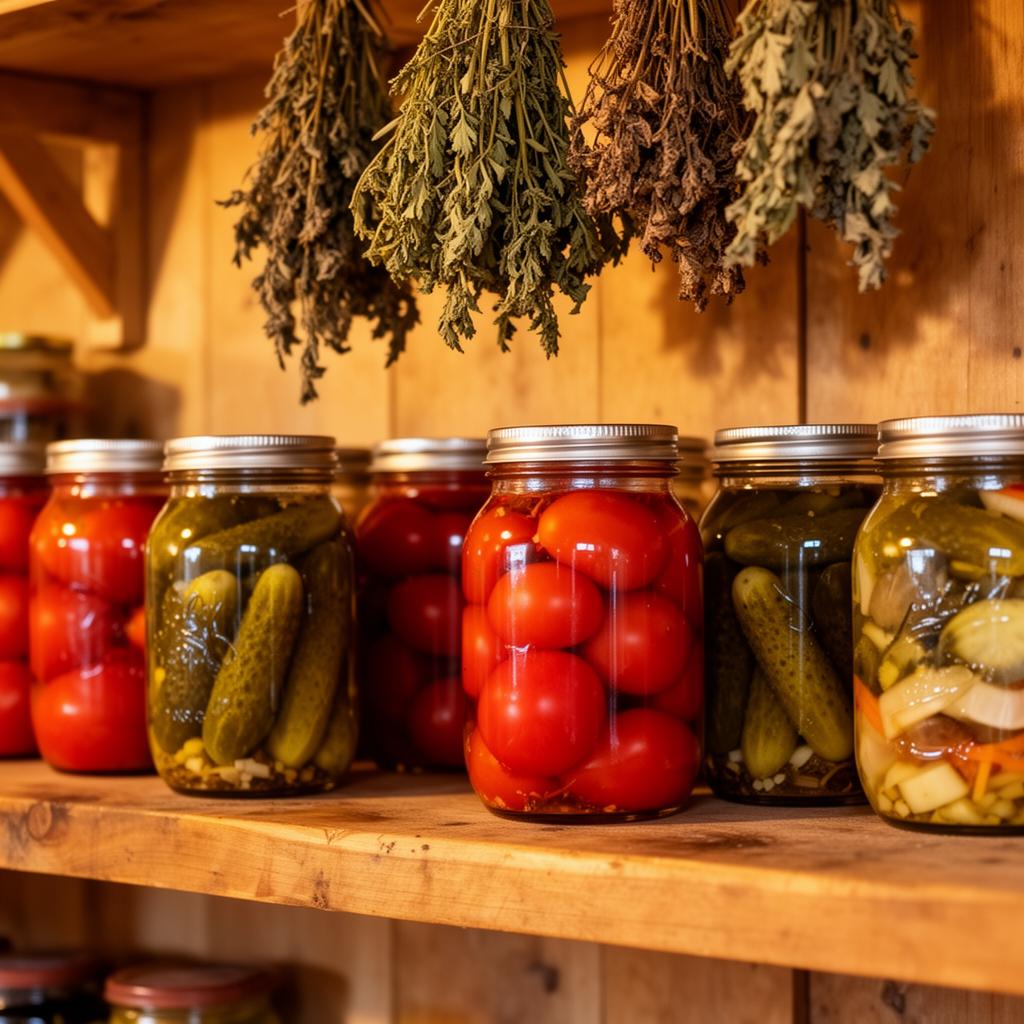
We had a water bath canner. A pressure canner. A chest freezer in the garage. Mason jars — a lot of Mason jars. And a family who had learned food preservation through YouTube, library books, and the generous knowledge-sharing of Magic Valley neighbors who had been doing this for generations.
Here is what we put up from our Southern Idaho garden in a good season:
Tomatoes: Crushed tomatoes, salsa, marinara sauce, and whole canned tomatoes. A well-stocked pantry from our own garden means we don't buy canned tomato products from October through May.
Squash and zucchini: Shredded and frozen in two-cup portions for year-round baking. The zucchini bread we make in January from our own garden tastes like summer.
Potatoes: Cured and stored in a cool dark space. Southern Idaho properties sometimes have root cellars, which is one of the most underrated features of a rural home.
Beans: Dried for storage or pressure-canned. A jar of home-canned green beans in February is a genuine luxury.
Herbs: Dried and stored. Once you have dried your own herbs from your own garden, the grocery store jars taste like cardboard.
Corn: Blanched and frozen. Enough sweet corn in the freezer to last the winter.
The Freezer Is Not Optional
A chest freezer is not optional on a Southern Idaho homestead — it is load-bearing infrastructure.
Ours held garden produce, processed chickens, half a pig from a neighbor's farm, and beef from a local rancher who sold by the quarter. At any given point in winter, we could feed our family for two months without a grocery store run.
That feeling has a name. It is not prepper anxiety. It is not paranoia. It is simply the settled confidence of knowing your family is fed regardless of what happens at the supply chain level.
Southern Idaho is full of families who feel that way. It is part of the culture here.
What I Look for in Homestead Properties
When I show acreage properties in Magic Valley, I note the storage infrastructure — not just the house, but the whole system. Root cellar, storm shelter, separate garage, outbuildings with power.
These things have real value for the homesteading lifestyle and don't always show up in the listing price. If food storage and harvest preservation are part of your vision for Southern Idaho life, tell me. It changes what we look for in a property.
Dr. Ron Jones | Rim & River Real Estate | rimandriver.com | 208-712-8386