stargazing
Stargazing in Magic Valley: The Best Dark Sky Spots in Southern Idaho
Stargazing in Magic Valley: The Best Dark Sky Spots in Southern Idaho
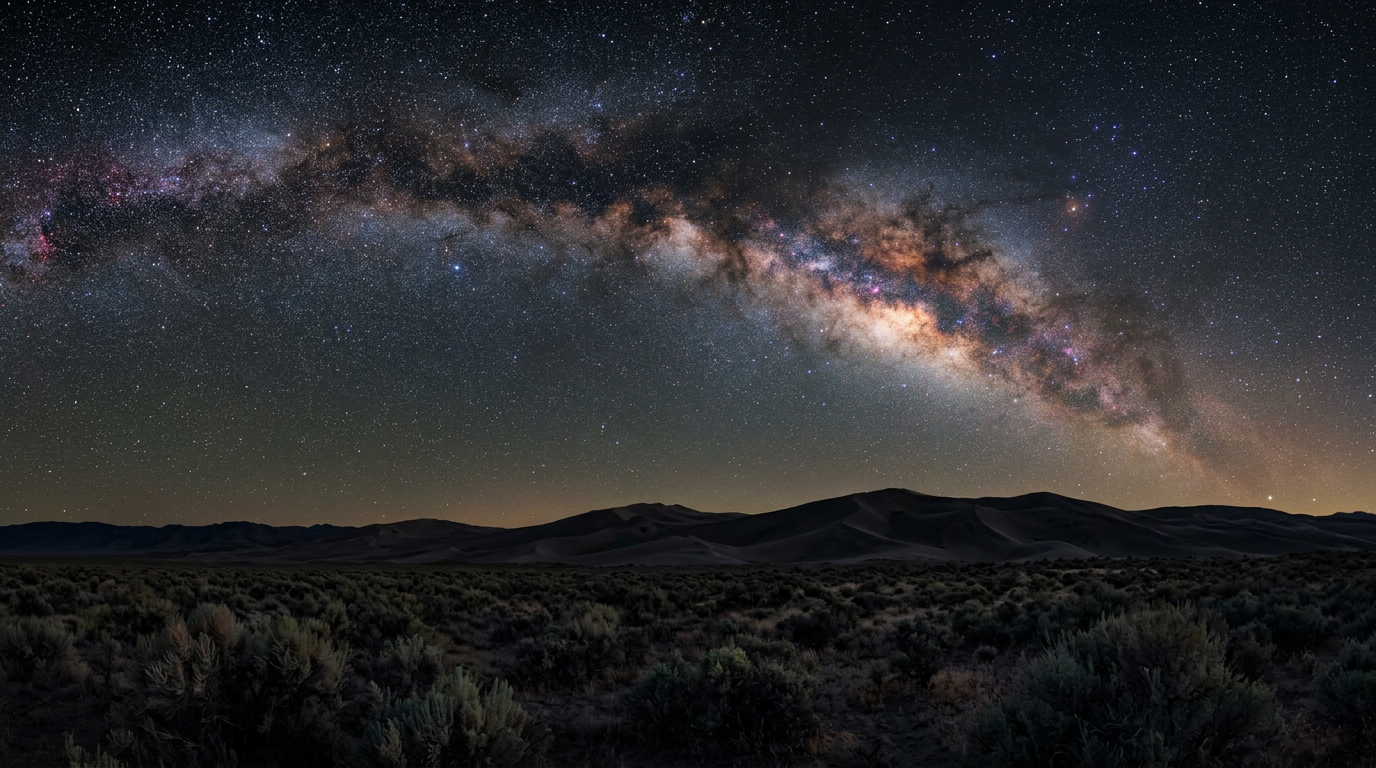
The first time I saw the Milky Way from the Snake River Canyon, I pulled my kayak onto a sandbar and lay on my back for an hour.
I am not exaggerating.
The canyon blocks the light pollution from Twin Falls on three sides. The sky above the canyon is a rectangle of absolute dark, and in that dark — on a clear moonless night in late summer or fall — the Milky Way is not a faint smudge. It is a structure. A river of light with depth and texture and individual stars visible down into its core.
If you have spent your life in a city, you have never seen what I am describing. And it is available to you, tonight, within 30 minutes of downtown Twin Falls.
Why Magic Valley Has Dark Skies
Magic Valley sits in the high desert of Southern Idaho — elevation around 3,700 feet, low humidity, minimal air pollution. The cities are small enough that their light pollution footprint is limited, and the distances between communities are large enough that you can get genuinely dark skies without much effort.
The canyon adds a bonus: from the canyon floor, you are below the rim and screened from city lights on multiple sides. The sky above the canyon is darker than the sky at the rim.
The Best Dark Sky Spots
The Snake River Canyon Floor (Twin Falls County): Park at Centennial Waterfront Park after dark, walk to the river, and look up. The canyon walls create a natural dark-sky enclosure. Best from July through October when the Milky Way core is positioned overhead.
Bruneau Dunes State Park (Owyhee County, ~55 miles from Twin Falls): The park has a public observatory open Friday and Saturday nights. The desert sky here is exceptional — true dark sky with no nearby light pollution. The observatory telescope is available for public viewing with ranger or volunteer narration.
Lincoln County (open desert): Idaho's least populous county has almost no artificial light. Drive south of Shoshone on any clear night and pull off on a county road. The sky is as dark as it gets in Southern Idaho.
City of Rocks (Cassia County): The campground at City of Rocks is one of the great dark-sky camping experiences in the region. The granite spires are silhouetted against a sky that has no competing light for miles. Camping under the stars at City of Rocks is a bucket-list experience.
Lake Walcott (Minidoka County): The reservoir setting away from city lights makes Lake Walcott State Park a solid dark-sky option with the added bonus of water reflections of a clear sky.
What to Bring
A red-light headlamp (preserves night vision). A reclining camp chair or blanket. A star chart app like SkySafari or Stellarium — but use it sparingly, because your phone screen will wreck your night vision. A jacket, even in summer — the desert cools fast after dark.
And patience. Give your eyes 20 full minutes to dark-adapt before you judge the sky.
The Canyon at Night
I have kayaked out of the Snake River Canyon after dark, navigating by starlight and the glow of the canyon walls, and it is one of the stranger and more beautiful experiences I have had in the outdoors. I am not recommending it for beginners. But I am telling you it is possible and that the canyon at night is a completely different place.
Dark Skies and Real Estate
More buyers than you might expect specifically ask about dark skies and light pollution when they are searching for property. Rural properties in Lincoln and Minidoka counties, properties in the canyon corridor, acreage outside of town — these all offer dark sky access that is increasingly hard to find in the American West.
If dark skies matter to you, tell me — I can help you find the right property.
Dr. Ron Jones | Rim & River Real Estate | rimandriver.com | 208-712-8386